
Path
Palme d'Or winners
Every top-prize winner at Cannes in festival order, ties included. Before 1955 the prize was the Grand Prix du Festival, so those years open the path as its forerunner, starting with the cancelled 1939 festival's award given in 2002. Tiers show how each winner has held up with critics.
0 of 103 watched · 207h 10m left
Sign in to track your progress9 of 103 left (18h 18m) are on HBO Max.
3 of 103 left (5h 26m) are on Prime Video.
2 of 103 left (4h 14m) are on Paramount+.
2 of 103 left (4h 2m) are on Hulu.
1 of 103 left (2h 30m) are on Peacock.
1 of 103 left (2h 27m) are on Netflix.
1 of 103 left (1h 4m) are on Disney+.
9 (17h 44m) are free to watch.
75 aren't on any service Arcline knows (they may be elsewhere, or rent/buy only).
- The 1930s
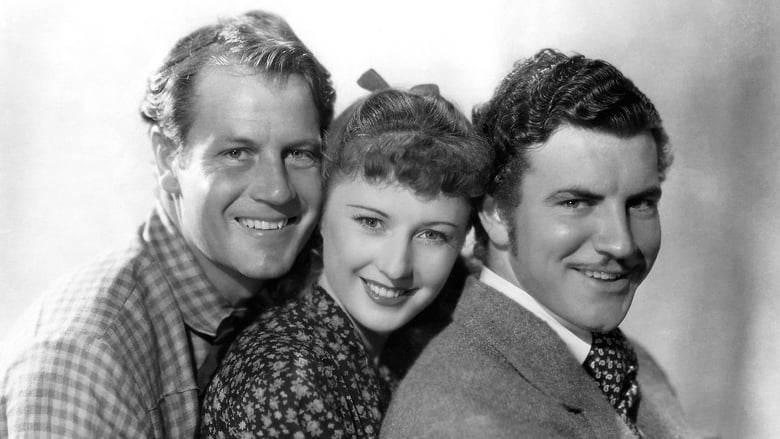 Union Pacific
The 1939 festival was cancelled by the war. In 2002 a jury gave this western the prize after the fact.
Not on a streaming service we know.
All options
The 1940s
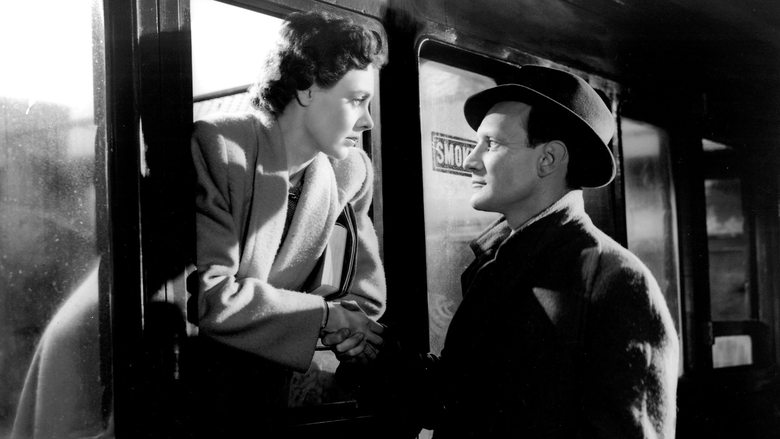 Brief Encounter
The first festival's Grand Prix, forerunner of the Palme, was shared by eleven films.
 The Last Chance
A Swiss film about refugees crossing the Alps.
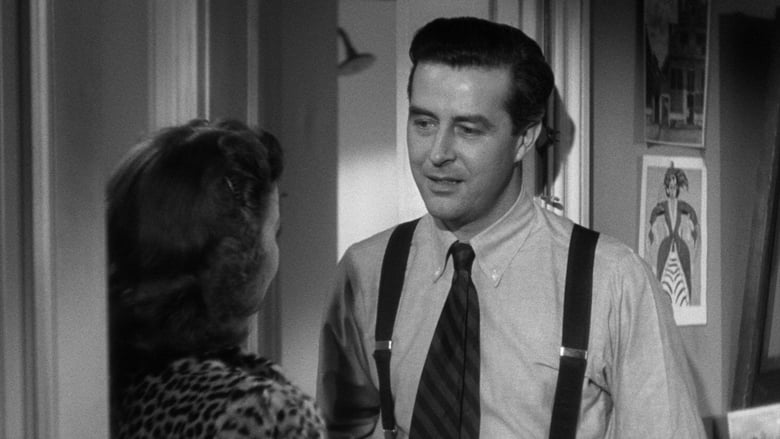 The Lost Weekend
Billy Wilder's addiction drama, also a Best Picture winner.
 Maria Candelaria
A milestone of Mexican cinema, with Dolores del Río.
- Men Without Wings
A Czech resistance drama.
- Neecha Nagar
Still the only Indian film to share Cannes' top prize.
 Pastoral Symphony
From André Gide's novel, with Michèle Morgan.
 Red Meadows
A Danish resistance film.
 Rome, Open City
Roberto Rossellini's founding work of Italian neorealism.
 Torment
Written by a young Ingmar Bergman.
 The Turning Point
A Soviet film about the generals at Stalingrad.
 Antoine & Antoinette
The 1947 jury split its Grand Prix across five genre categories.
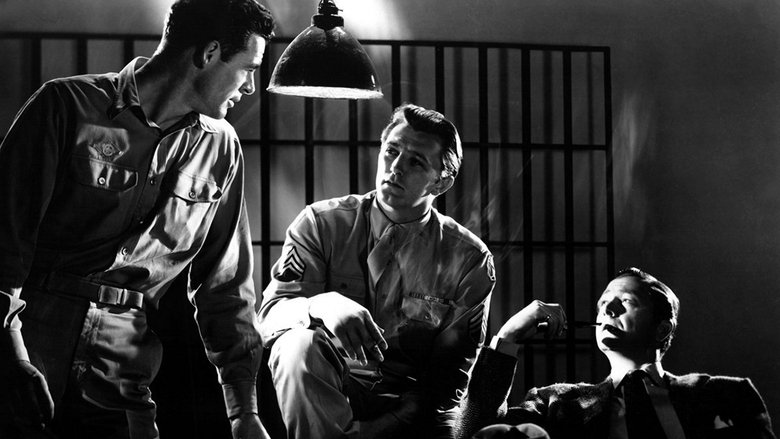 Crossfire
A noir about antisemitism, honoured as the best social film.
 Dumbo
Disney's short feature, honoured in the animation category.
 The Damned
René Clément's thriller aboard a U-boat of fleeing Nazis.
 Ziegfeld Follies
A revue of musical numbers, honoured as the best musical comedy.
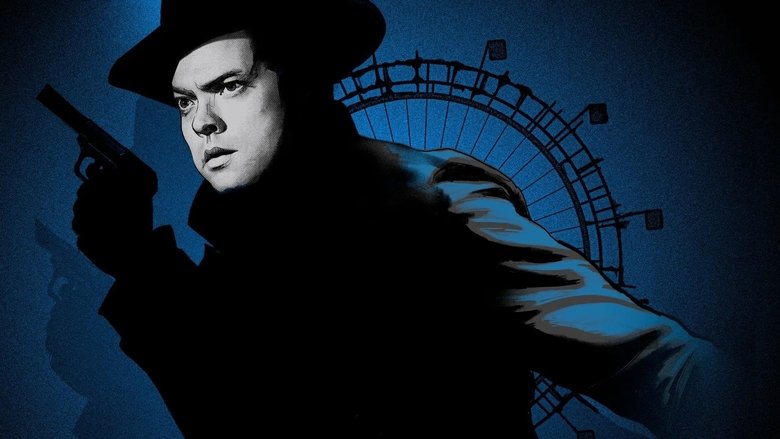 The Third Man
Graham Greene's postwar Vienna thriller, with Orson Welles. There was no festival in 1948 or 1950.
The 1950s
 Miracle in Milan
Vittorio De Sica turns neorealism into a fable.
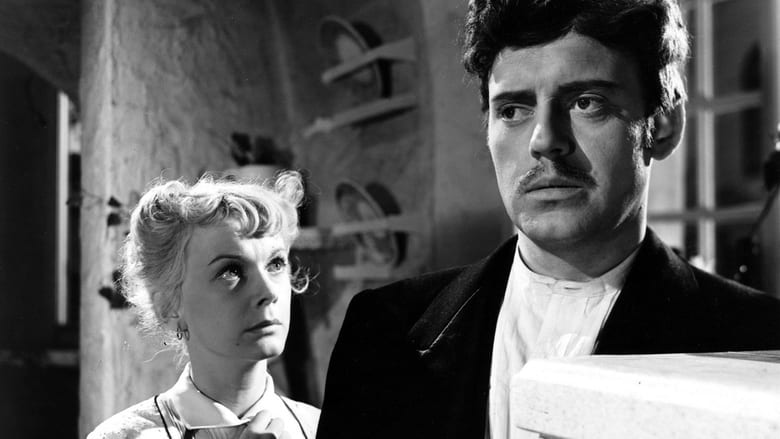 Miss Julie
Alf Sjöberg's Strindberg adaptation, his second shared Grand Prix.
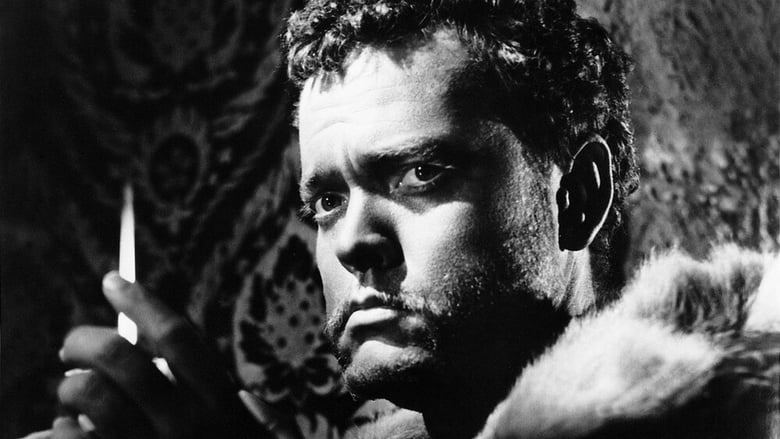 Othello
Orson Welles shot it piecemeal over several years.
 Two Cents Worth of Hope
A light Italian romance.
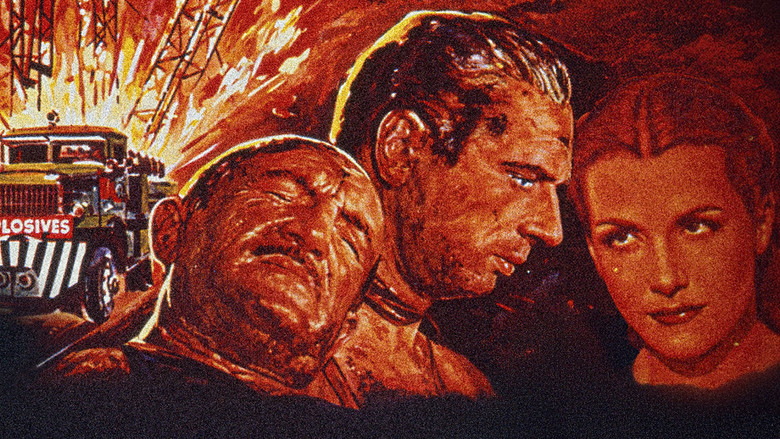 The Wages of Fear
Four men drive trucks of nitroglycerin across rough mountain roads.
 Gate of Hell
Prized for its early Eastmancolor photography.
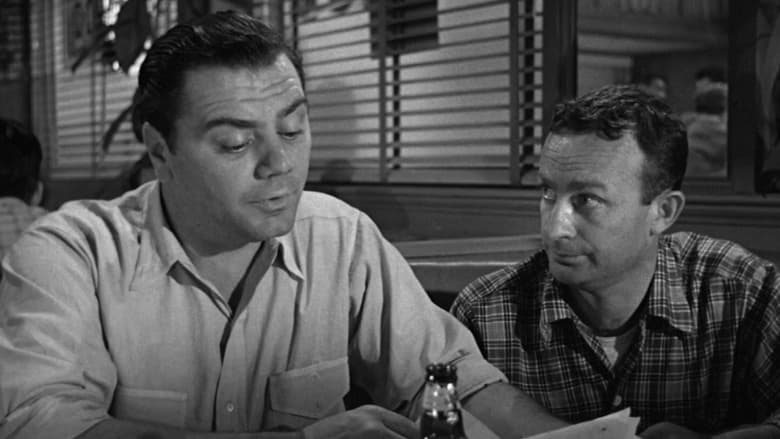 Marty
The first winner of the newly named Palme d'Or, and also a Best Picture winner.
 The Silent World
Cousteau's undersea documentary. Its treatment of sea life looks very dated now.
 Friendly Persuasion
Gary Cooper as a Quaker father in the Civil War.
 The Cranes Are Flying
A Soviet wartime romance famed for its camerawork.
 Black Orpheus
The Orpheus myth set during Rio's carnival.
The 1960s
 The Long Absence
Shared the prize; now little seen.
 Viridiana
Luis Buñuel's satire, banned in Spain after its win.
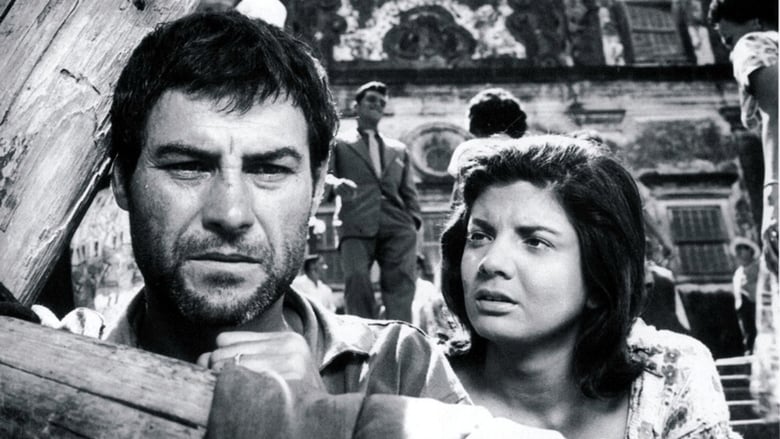 The Given Word
Known as O Pagador de Promessas. Still the only Brazilian winner.
 The Umbrellas of Cherbourg
Every line is sung. From 1964 to 1974 the prize was called the Grand Prix again.
 The Knack... and How to Get It
A swinging-London comedy from Richard Lester.
 The Birds, the Bees and the Italians
Pietro Germi's comedy of small-town hypocrisy, which shared the prize.
 A Man and a Woman
Claude Lelouch's romance, known for its theme song.
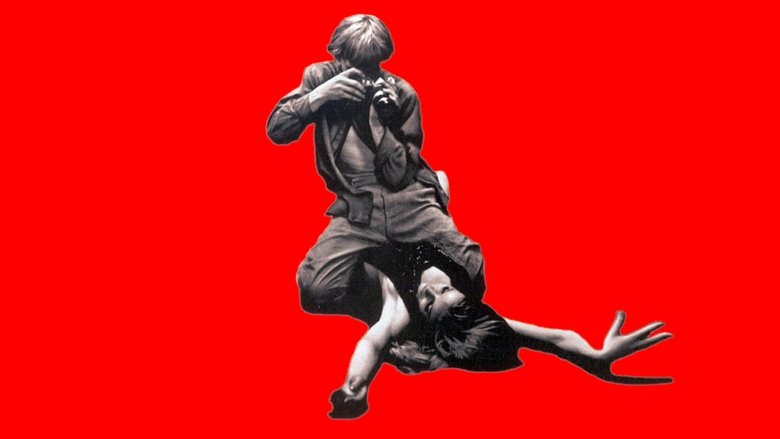 Blow-Up
Antonioni's first English-language film. The 1968 festival was halted by the May protests.
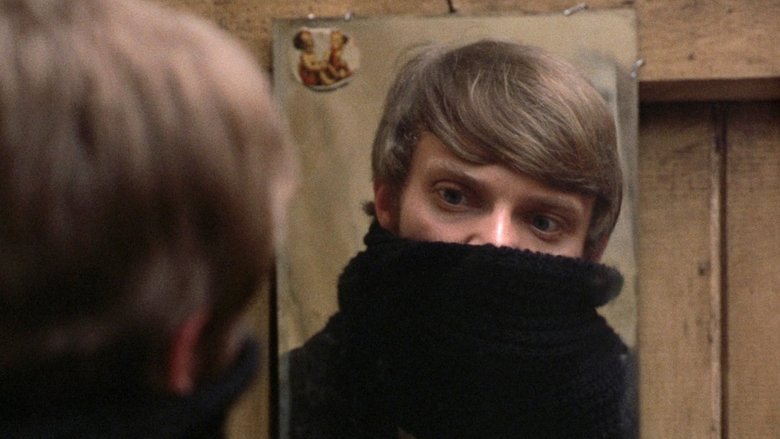 if....
Malcolm McDowell's debut, a revolt at an English boarding school.
The 1970s
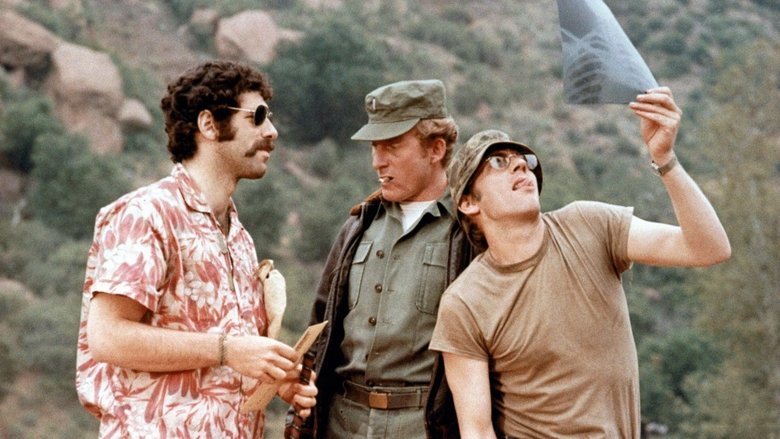 M*A*S*H
Robert Altman's Korean War comedy, which inspired the TV series.
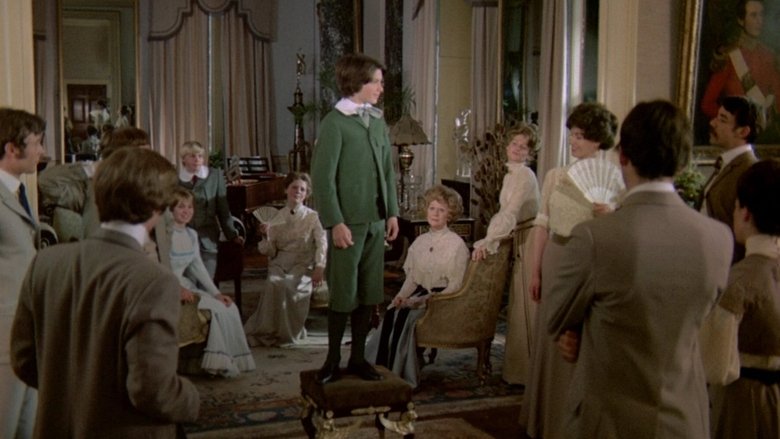 The Go-Between
Harold Pinter adapts L. P. Hartley's novel.
 The Mattei Affair
Francesco Rosi's investigation of an oil boss's death. It shared the prize.
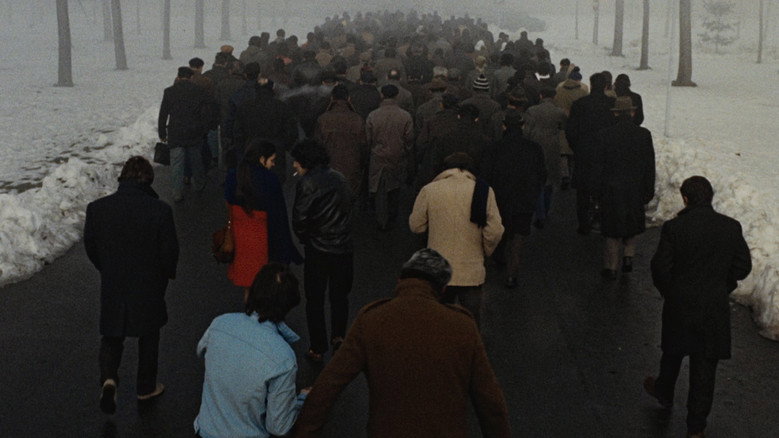 The Working Class Goes to Heaven
Elio Petri's factory satire, with Gian Maria Volonté, who also stars in The Mattei Affair.
 The Hireling
A British class drama, now little seen.
 Scarecrow
Gene Hackman and Al Pacino as drifters.
 The Conversation
Francis Ford Coppola made it between the two Godfather films.
 Chronicle of the Years of Fire
An Algerian epic, still the only African winner.
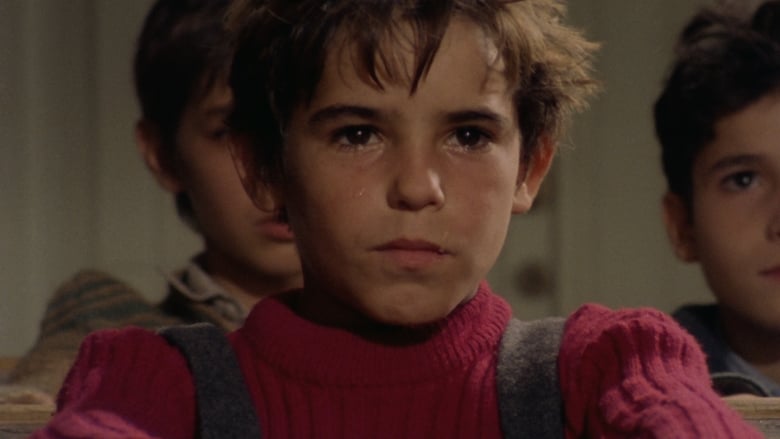 Padre Padrone
The Taviani brothers' story of a Sardinian shepherd's son.
 The Tree of Wooden Clogs
A year among peasant families, played by non-actors.
 Apocalypse Now
Shown at Cannes as a work in progress. It shared the prize.
 The Tin Drum
From Günter Grass's novel.
The 1980s
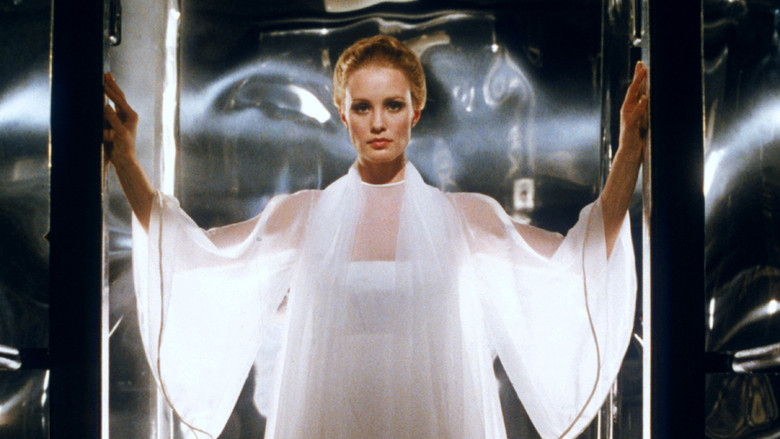 All That Jazz
Bob Fosse's own life turned into a musical.
 Kagemusha
Akira Kurosawa's samurai epic, which shared the prize.
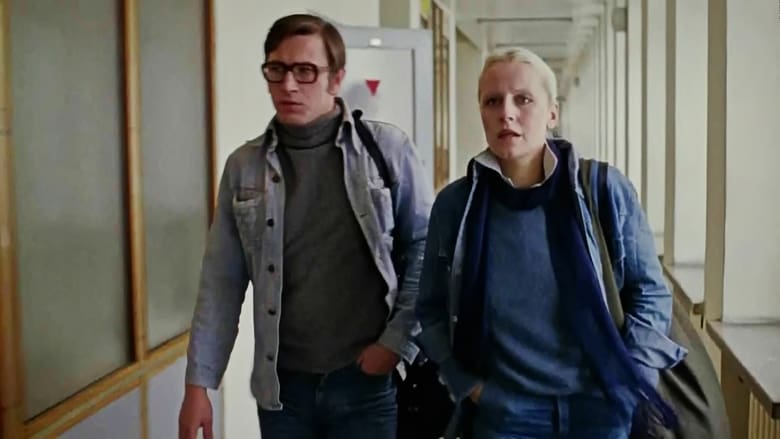 Man of Iron
Andrzej Wajda's film about Solidarity, made as it happened.
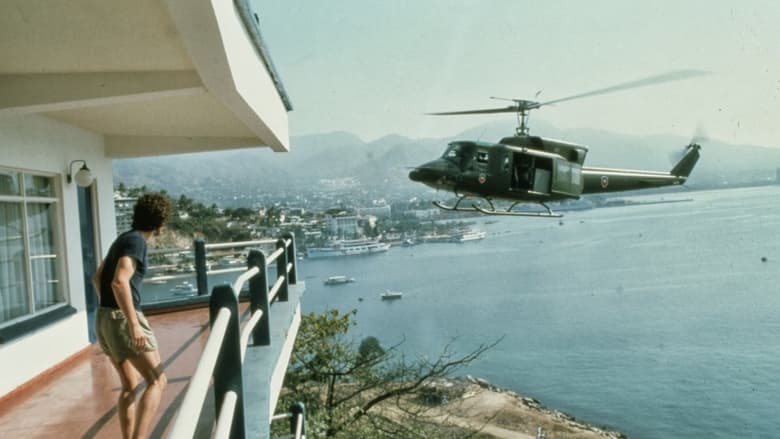 Missing
Costa-Gavras on the 1973 coup in Chile.
 The Road
Known as Yol. Yılmaz Güney wrote and guided it from prison.
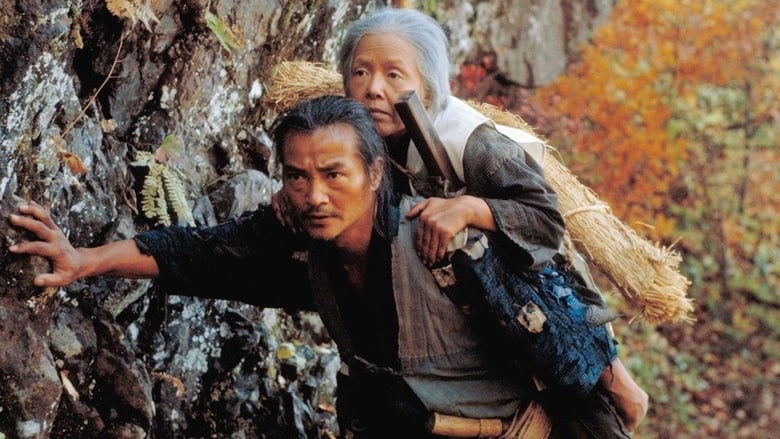 The Ballad of Narayama
Shōhei Imamura's version; a 1958 film tells the same story.
 When Father Was Away on Business
Emir Kusturica's first Palme.
 The Mission
Often listed among the festival's weaker choices, though Ennio Morricone's score is loved.
 Under the Sun of Satan
Booed at the ceremony, a famously unpopular win.
 Pelle the Conqueror
Bille August's first Palme. He won again four years later.
 sex, lies, and videotape
Steven Soderbergh's debut, a landmark for American independent film.
The 1990s
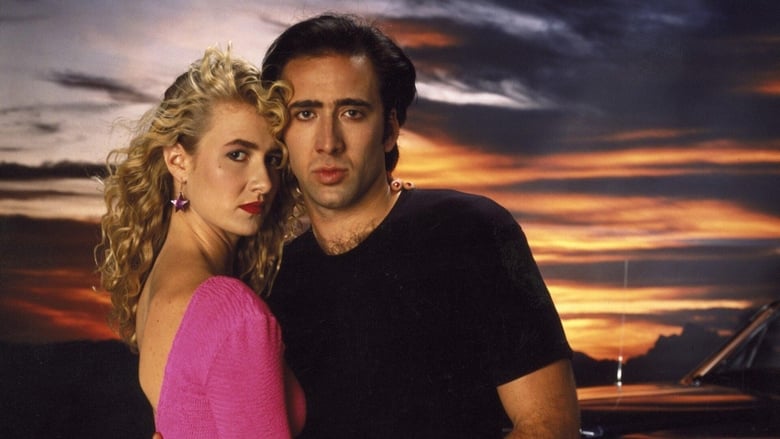 Wild at Heart
David Lynch's road movie, booed and cheered in equal measure.
 Barton Fink
It also won the director and actor prizes that year, a sweep that led Cannes to limit repeat awards.
 The Best Intentions
Written by Ingmar Bergman about his parents.
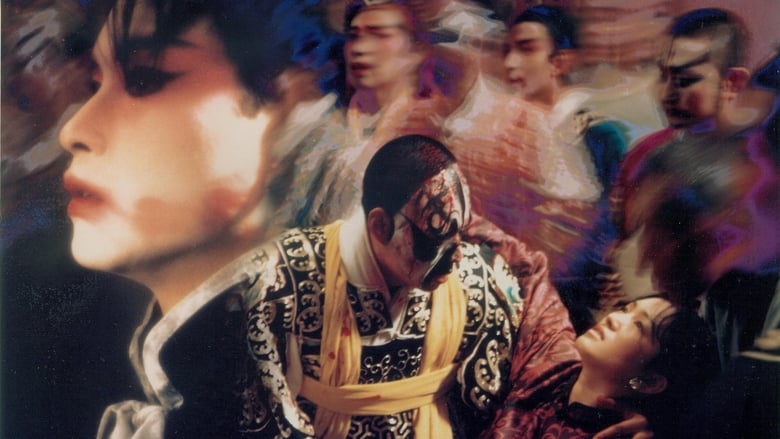 Farewell My Concubine
Fifty years of Chinese history through two Peking opera stars.
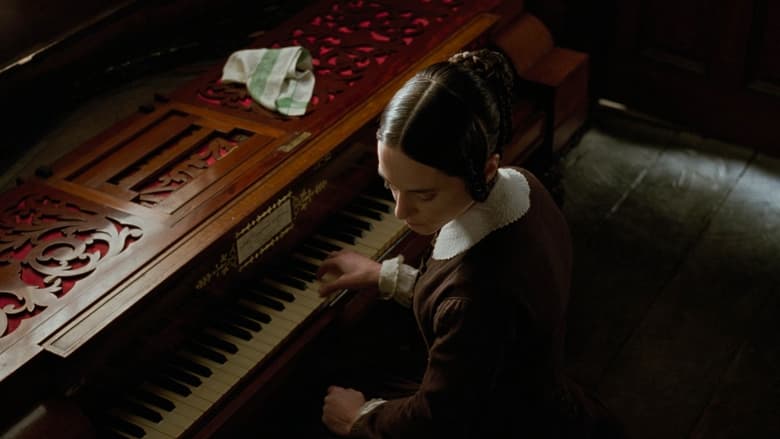 The Piano
Jane Campion became the first woman to win, sharing the prize.
 Underground
Emir Kusturica's second Palme.
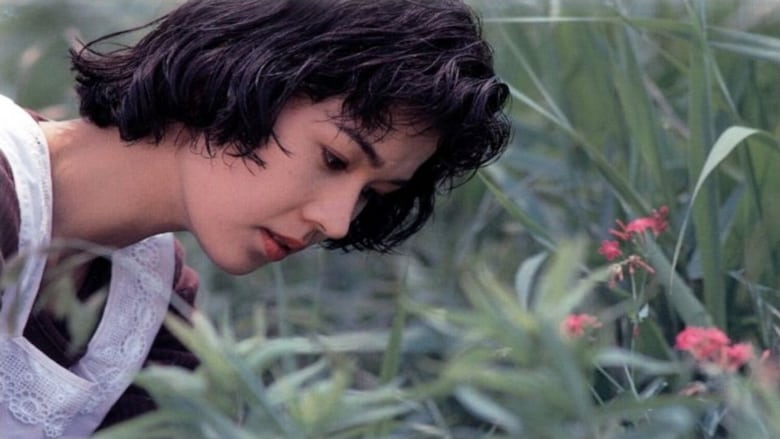 The Eel
Shōhei Imamura's second Palme, shared that year.
 Taste of Cherry
Abbas Kiarostami's minimal drama, which shared the prize.
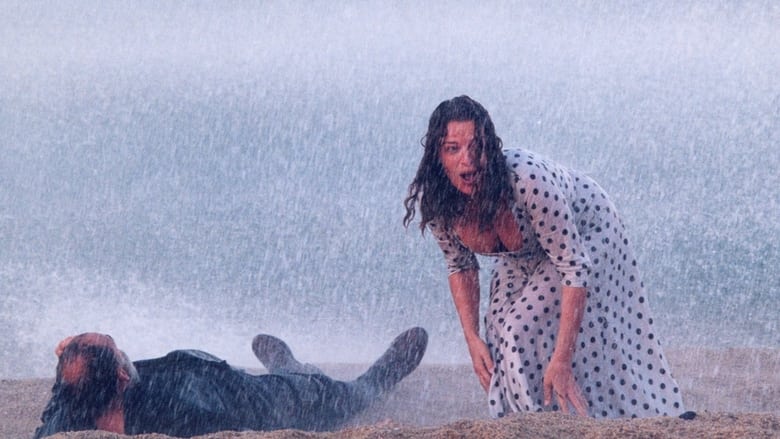 Eternity and a Day
Theo Angelopoulos at his most meditative.
 Rosetta
The Dardenne brothers' first Palme.
The 2000s
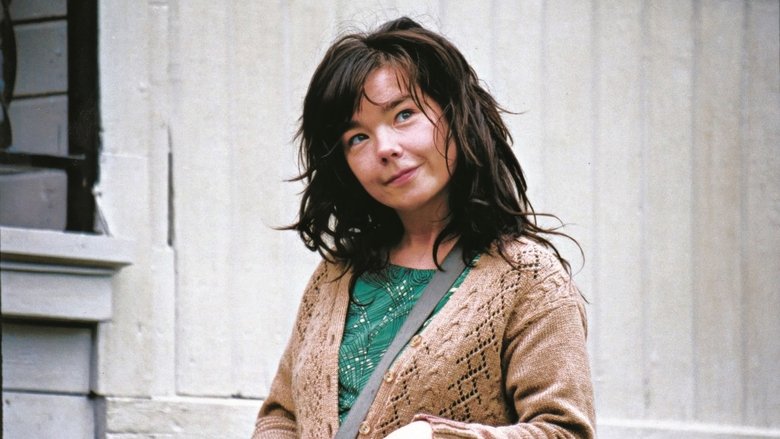 Dancer in the Dark
Björk stars and wrote the songs.
 The Son's Room
Nanni Moretti's quiet family drama.
 Elephant
Gus Van Sant's film about a school shooting.
 Fahrenheit 9/11
A documentary; many critics saw the win as political.
 The Child
Known as L'Enfant. The Dardenne brothers' second Palme.
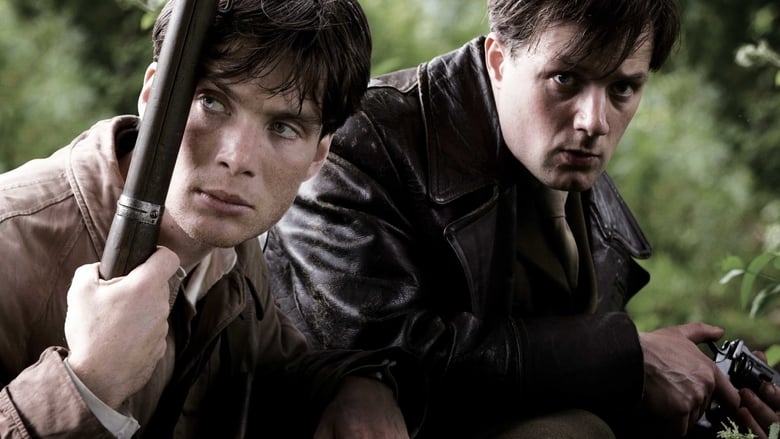 The Wind That Shakes the Barley
Ken Loach on the Irish War of Independence.
 The Class
A year in a Paris classroom, with real pupils.
 The White Ribbon
Michael Haneke's first Palme.
The 2010s
 The Tree of Life
Divisive at Cannes, now widely ranked among the century's best.
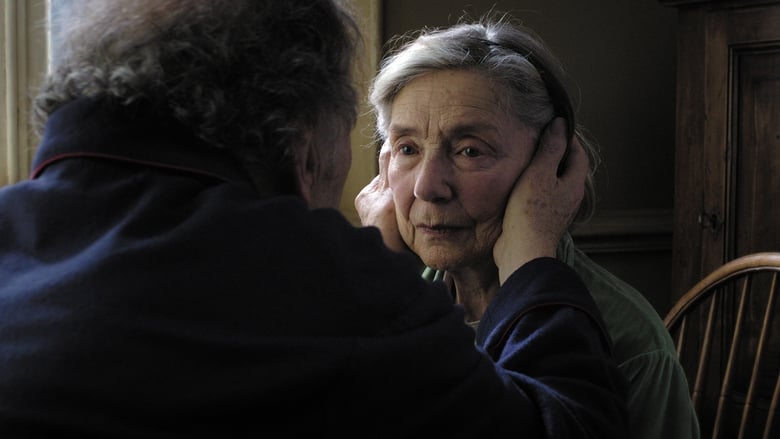 Amour
Michael Haneke's second Palme in three years.
 Blue Is the Warmest Color
The jury gave the prize to the director and both lead actresses.
 Dheepan
Often called a surprise and a weak pick.
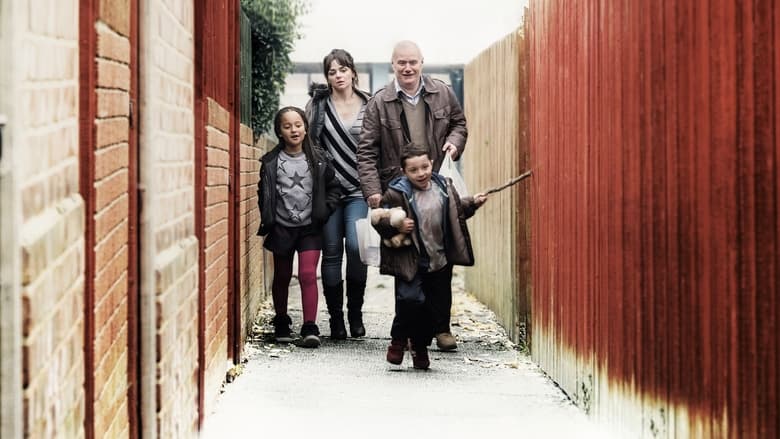 I, Daniel Blake
Ken Loach's second Palme.
 The Square
An art-world satire with a mixed reputation.
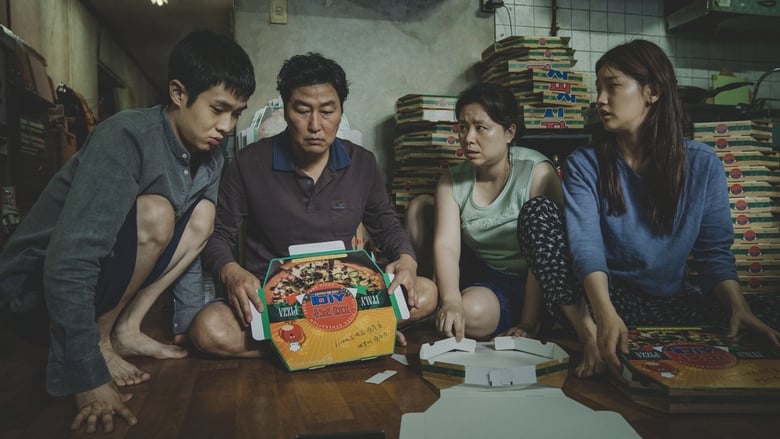 Parasite
Also won Best Picture. There were no awards in 2020.
The 2020s
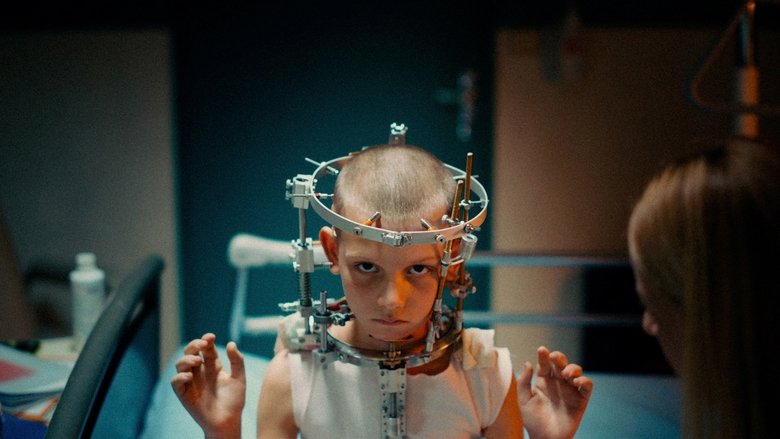 Titane
Julia Ducournau became the second woman to win, and the first to win alone.
 Triangle of Sadness
Ruben Östlund's second Palme, a divisive pick.
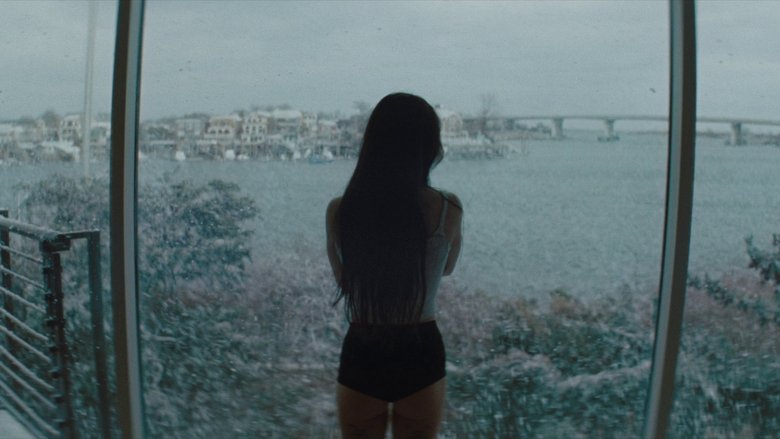 Anora
Also won Best Picture.
 It Was Just an Accident
Made in secret by Jafar Panahi, who now holds the top prizes of Cannes, Venice and Berlin.
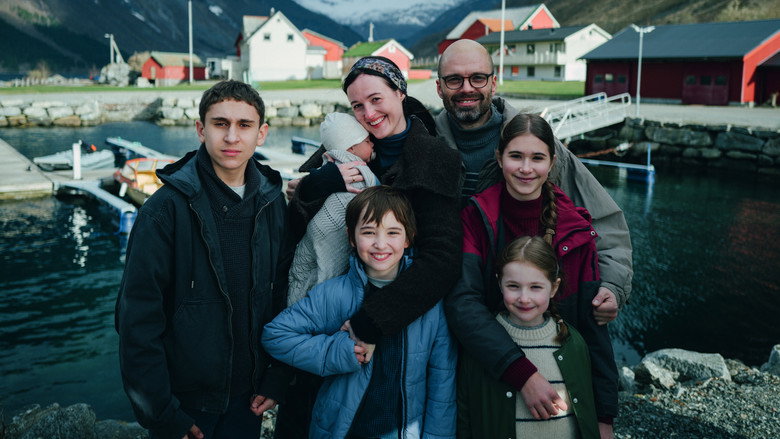 Fjord
Cristian Mungiu's second Palme. Too new for a settled view.

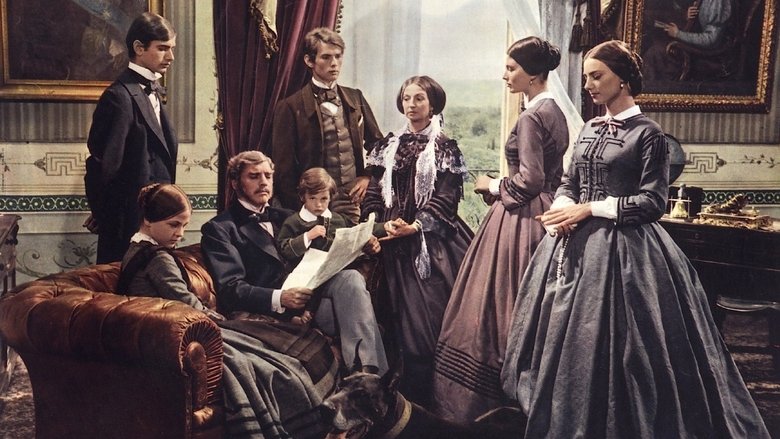

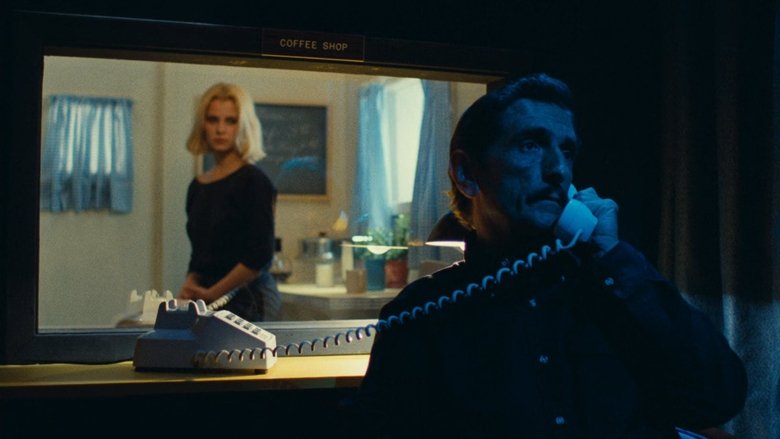
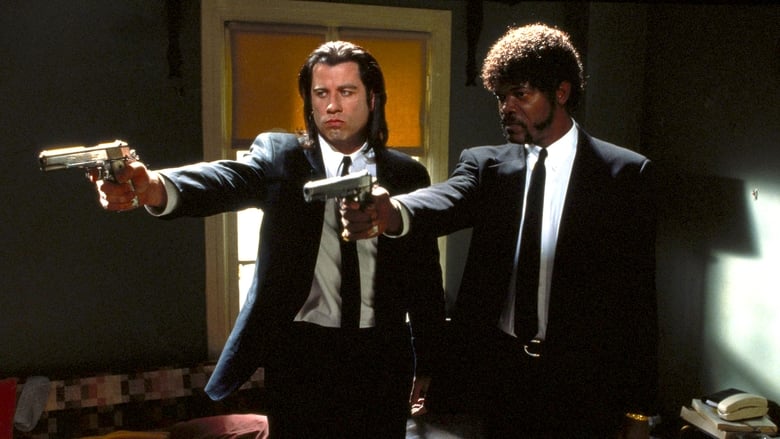



Quick answers
- What is in Palme d'Or winners?
- 103 films.
- How long does Palme d'Or winners take?
- Essentials: 19 stops, 40h 49m. Recommended: 63 stops, 129h 47m. Everything: 103 stops, 207h 10m.
- Where do I start?
- Start with Brief Encounter (1945). The last stop is Fjord.
- What can I skip?
- 19 stops are essential. 44 more are recommended. 40 are optional: extras you can leave out.
- Where can I watch Palme d'Or winners?
- In the US, of the 103 stops at Everything: 9 are on HBO Max, 3 are on Prime Video, 2 are on Paramount+, 2 are on Hulu, 1 is on Peacock, 1 is on Netflix, 1 is on Disney+, 9 are free to watch and 75 are not on a streaming service Arcline knows (they may be to rent or buy).
Images and where-to-watch data from TMDB and JustWatch. Title links and prices from Movie of the Night.